Together Against Cholera Outbreak (TACO)
The project is based on the urgency of direct intervention in Akkar and Minnieh with the most vulnerable population at risk in line with the national strategy set in place.
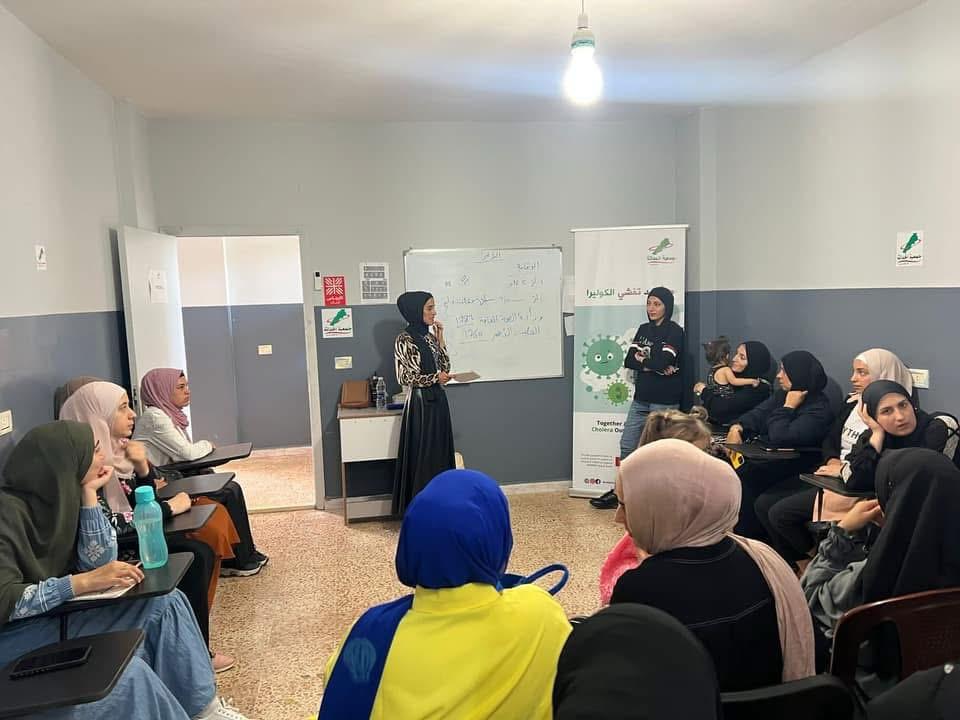
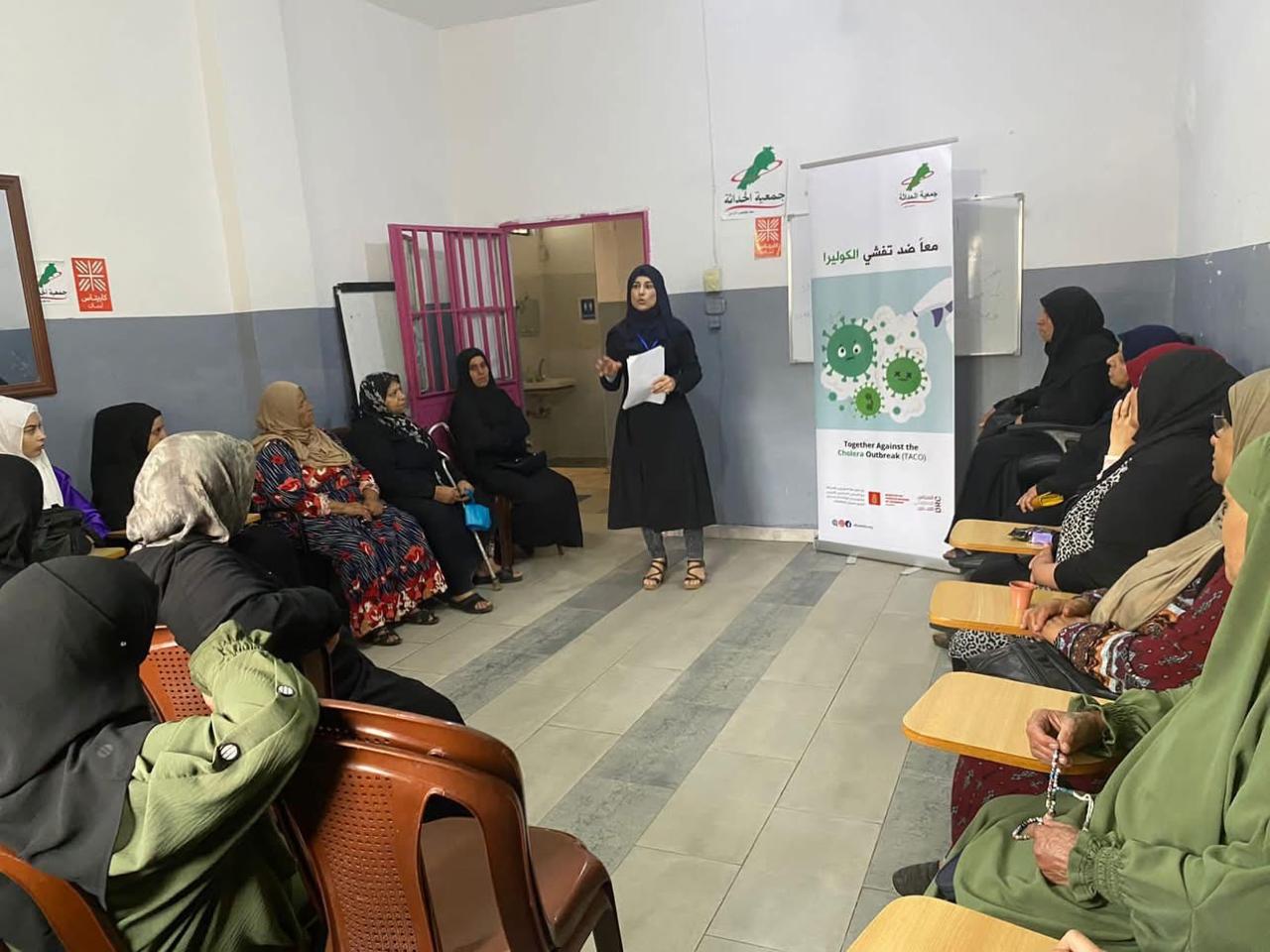
In line with the Cholera Response Plan, the project will target the 3 needs identified by the UNHCR and their key intervention areas: 1) Public health: prevention/surveillance and case management; 2) Community engagement: Risk Communication and Community Engagement (RCCE); and 3) shelter: Hygiene and sanitation conditions in collective shelters.
Al Hadatha has a wide experience in field intervention in Akkar villages and North Lebanon, an excellent relation with the local authorities and a credibility with the local communities and local and international actors, will build on the capacity growth from DRC to respond to a new arising emergency, the Cholera Outbreak in Akkar and Minnieh, the most vulnerable areas in the country.
The project implementation will be taken into consideration some main risks:
The possibility of the spread of related hygiene and sanitation diseases such Hepatitis A. The polluted water will be the source of many infections and disease not exclusively related to Cholera, which will impact negatively the public health. Moreover, there is a risk in having a shortage in the Cholera Vaccinations shots available in the MOPH, which will not ensure that all inhabitants in need are receiving the needed vaccinations.
Another risk is related to the high cost of drinking water in Lebanon who is costly and is increasing the dependence on unreliable water sources or suppliers. The families with low income cannot afford the cost of buying trusted drinkable water which increases the risks of being suspected to Cholera infection if preventive measures are not being applied.
A general risk is related to the general country situation and its unstable political environment that might deteriorate and might arises conflicts and tension and cause a delay in the activity interventions.
On the weather level, the severe an unusual climate conditions that might affect the access to some rural areas in Akkar especially during winter time.
Anticipated impact:
Reducing the risk of outbreak of the Cholera and raising the community awareness on the topic, giving the local inhabitants in Akkar and North Lebanon, both Lebanese and Syrian the alternative preventive practices and adequate needed infrastructure.
Outputs:
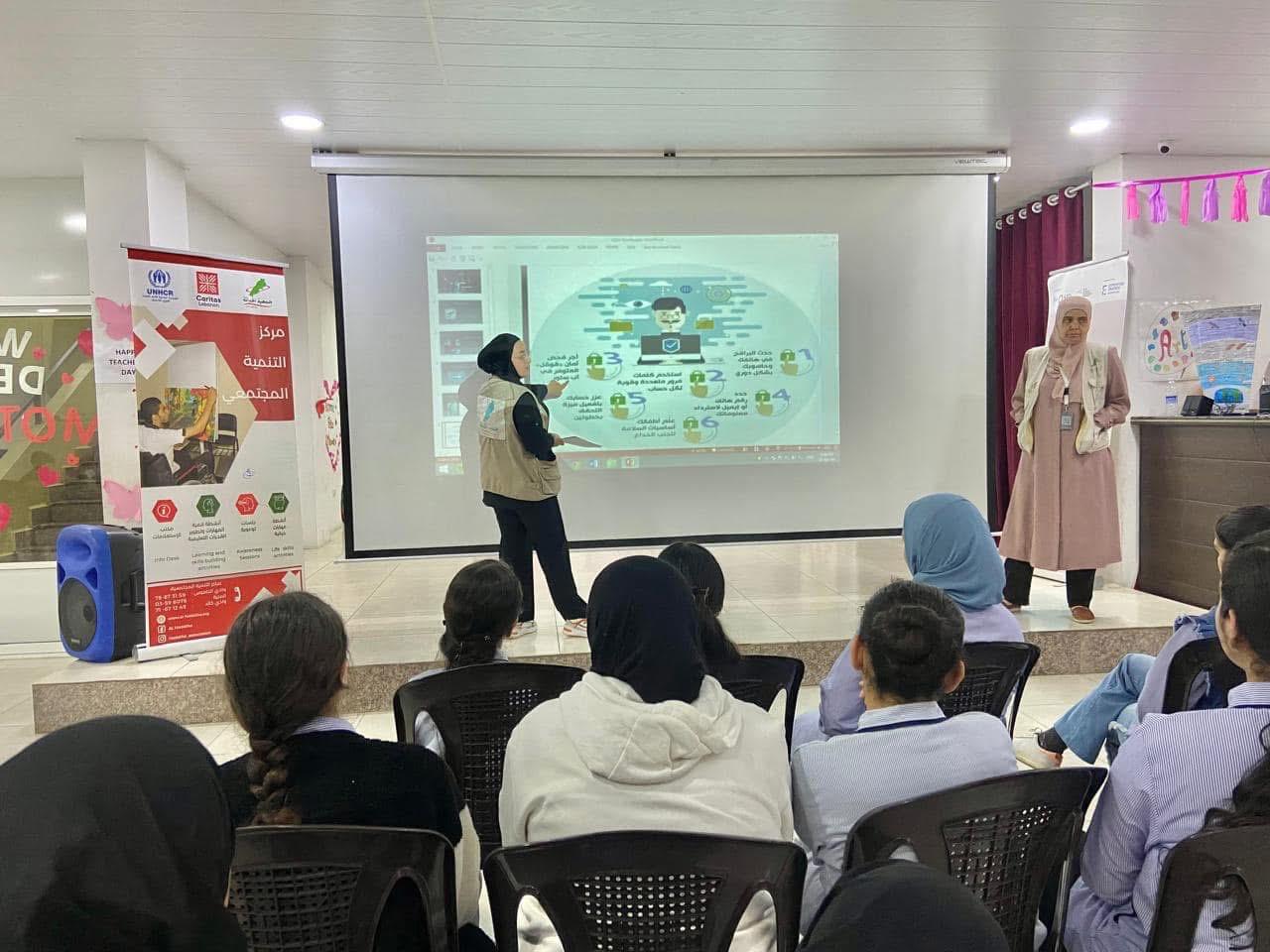
Output 1: 2 community emergency committees composed from 20 volunteers, aged between 18 and 35, empowered to detect and prevent Cholera.
Output 2: 11000 inhabitants from households and others from Lebanese and Syrian with decreased risks of Cholera infection.