 -->
-->
Who We Serve
Supporting vulnerable and marginalized communities with dignity and respect
Human-Centered, Dignity-Driven Approach
We serve communities affected by displacement, poverty, and conflict across Lebanon, placing dignity, agency, and inclusion at the core of our interventions. Our programs are designed with communities, ensuring participatory decision-making and sustainable impact.
.JPG)
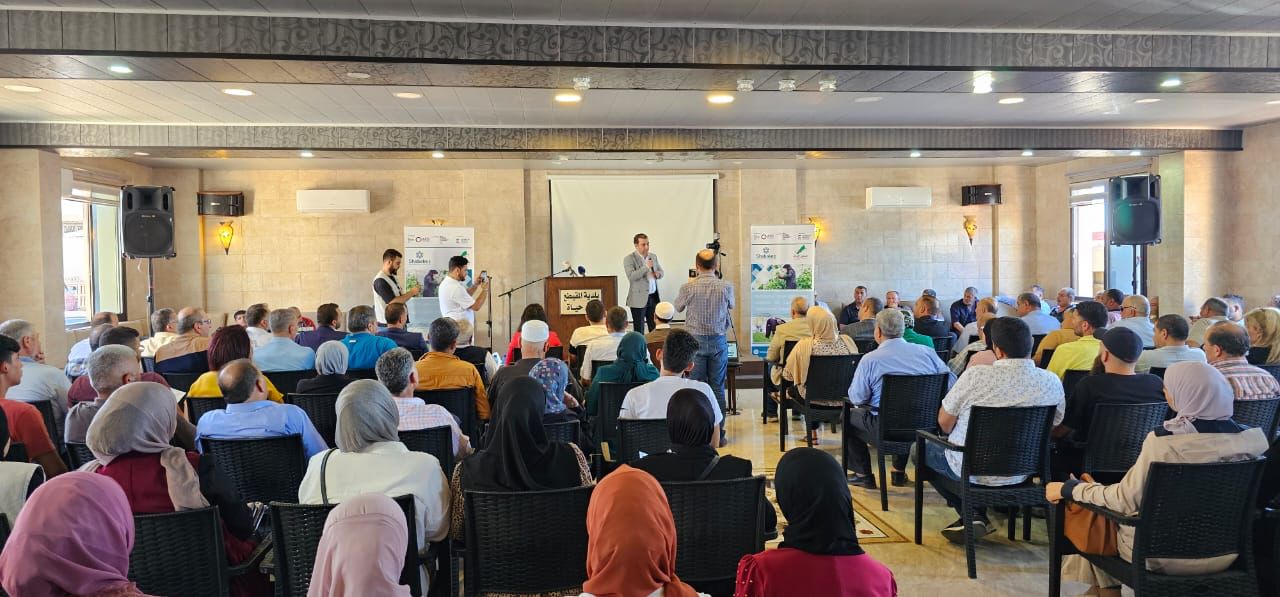
Syrian Refugees
Syrian refugees living in Akkar and other regions of Lebanon face prolonged displacement, legal insecurity, poverty, and limited access to basic services such as education, healthcare, and decent livelihoods. Many refugee families experience overcrowded living conditions and depend on irregular or informal work, which increases their vulnerability to exploitation and protection risks.
Al Hadatha supports Syrian refugees through integrated humanitarian and development programs that address basic needs, protection, education, psychosocial support, and livelihood opportunities, with special attention to children, women, and persons with specific needs.
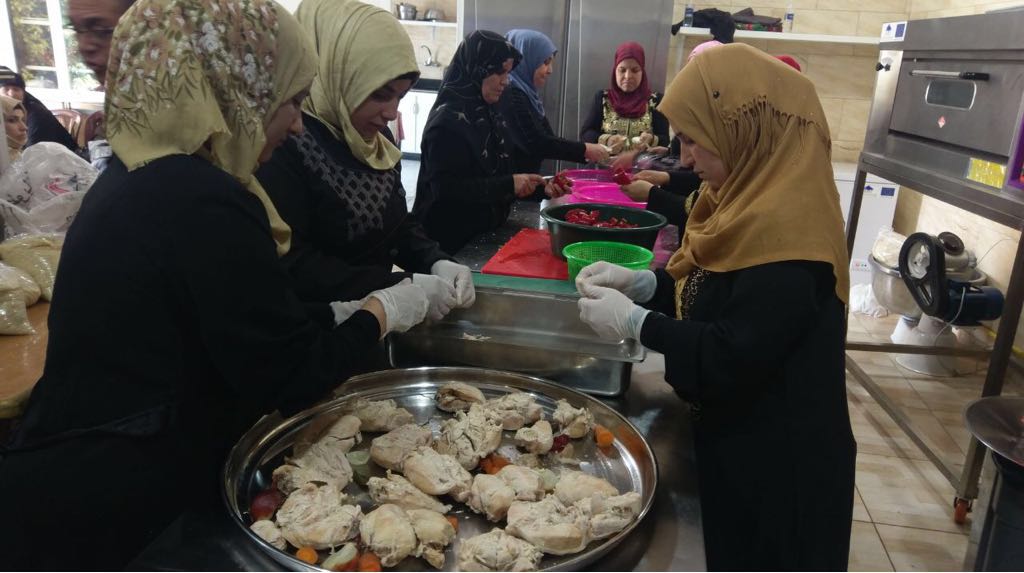
Economically Disadvantaged Lebanese Host Communities
Economically vulnerable Lebanese host communities in underserved areas are heavily affected by the ongoing economic and social crisis, resulting in high unemployment, food insecurity, and reduced access to essential services. Competition over limited resources and job opportunities also places additional pressure on social cohesion between host communities and refugee populations.
Al Hadatha works to strengthen the resilience of vulnerable Lebanese families by providing social assistance, livelihood support, access to basic services, and community-based initiatives that promote social stability and peaceful coexistence.
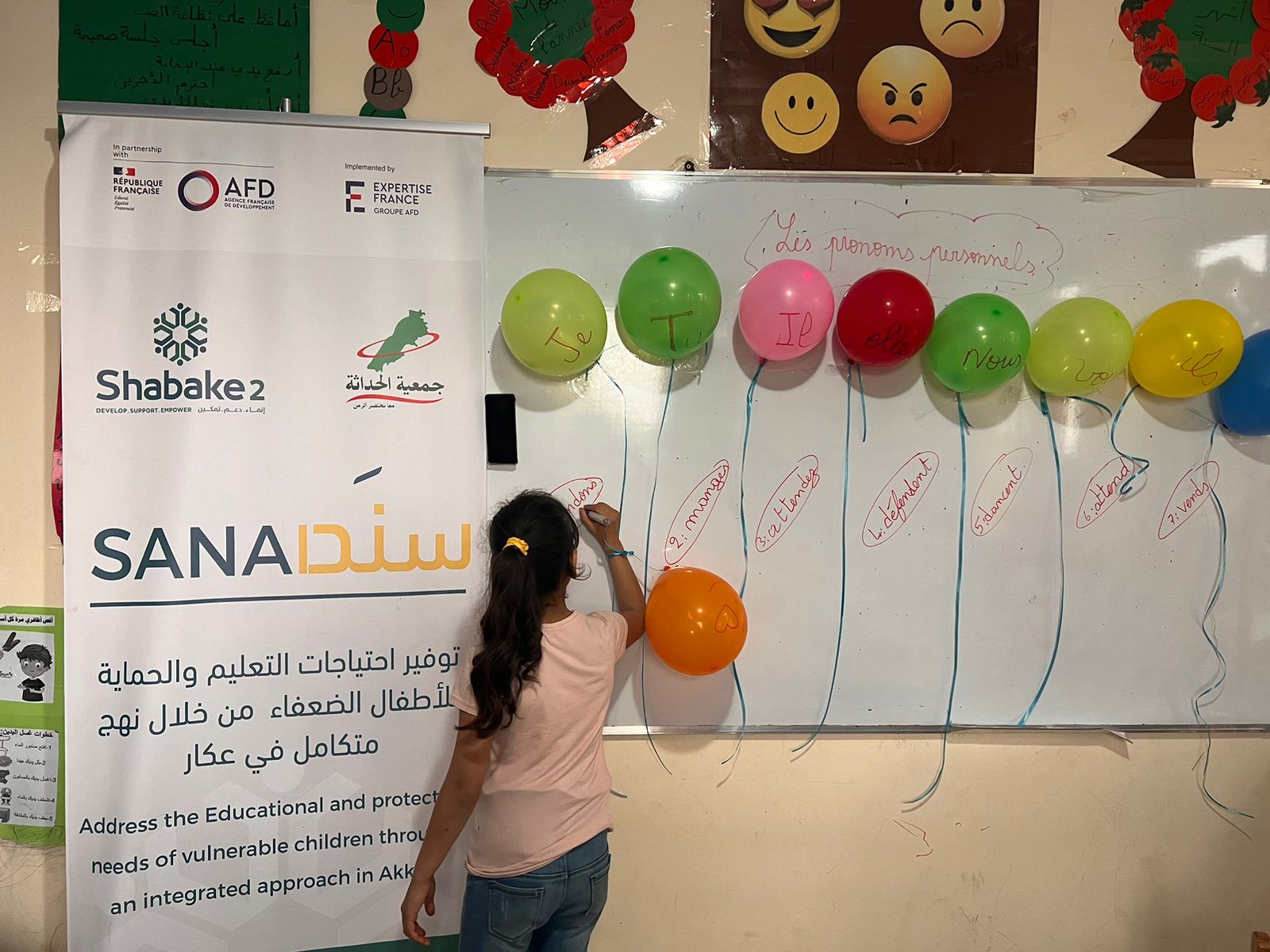
Children and Youth at Risk
Children and youth at risk, including out-of-school children and those exposed to violence, neglect, or child labor, face serious threats to their safety, development, and future prospects. Poverty, displacement, and lack of access to quality education increase the likelihood of early school dropout, hazardous work, and psychosocial distress.
Al Hadatha prioritizes child protection and youth empowerment through education support, non-formal learning, child protection services, psychosocial support, life skills programs, and safe spaces that foster resilience, well-being, and positive coping mechanisms.
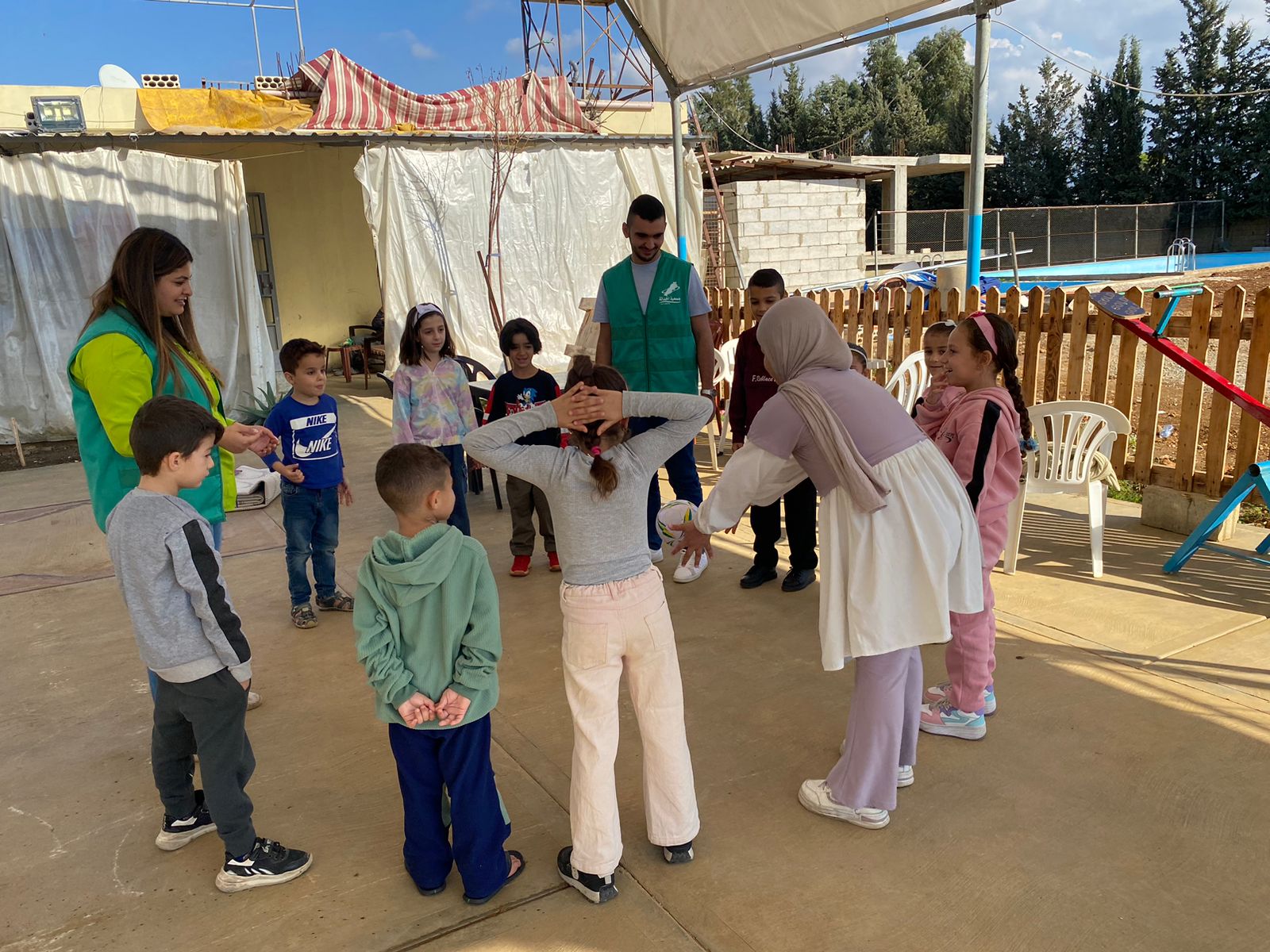
Women and Girls
Women and girls, particularly those affected by gender-based violence, early marriage, and discrimination, face multiple layers of vulnerability, including limited access to education, livelihoods, and decision-making opportunities. Social norms and economic hardship further expose them to exploitation and abuse.
Al Hadatha adopts a survivor-centered and gender-sensitive approach by providing psychosocial support, protection services, awareness-raising, skills development, and economic empowerment initiatives, while engaging communities to promote gender equality and the rights of women and girls.
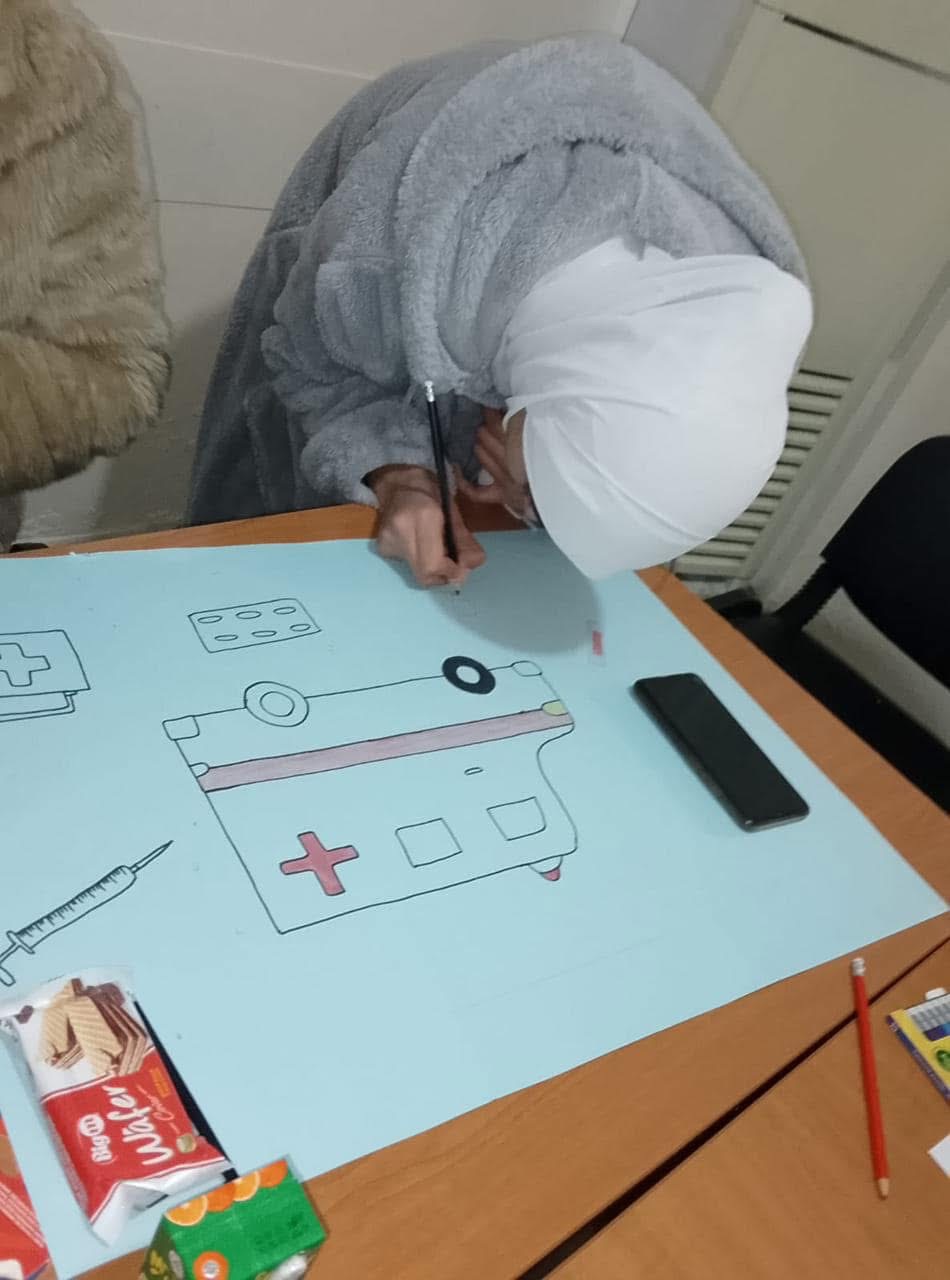
Persons with Disabilities (PWDs)
Persons with disabilities often encounter physical, social, and attitudinal barriers that limit their access to services, education, employment, and community participation. In crisis-affected and underserved settings, these barriers are compounded by poverty and weak infrastructure.
Al Hadatha ensures disability inclusion across its programs by promoting accessible services, individualized support, referrals to specialized services, and community awareness to reduce stigma and enhance the meaningful participation of persons with disabilities.
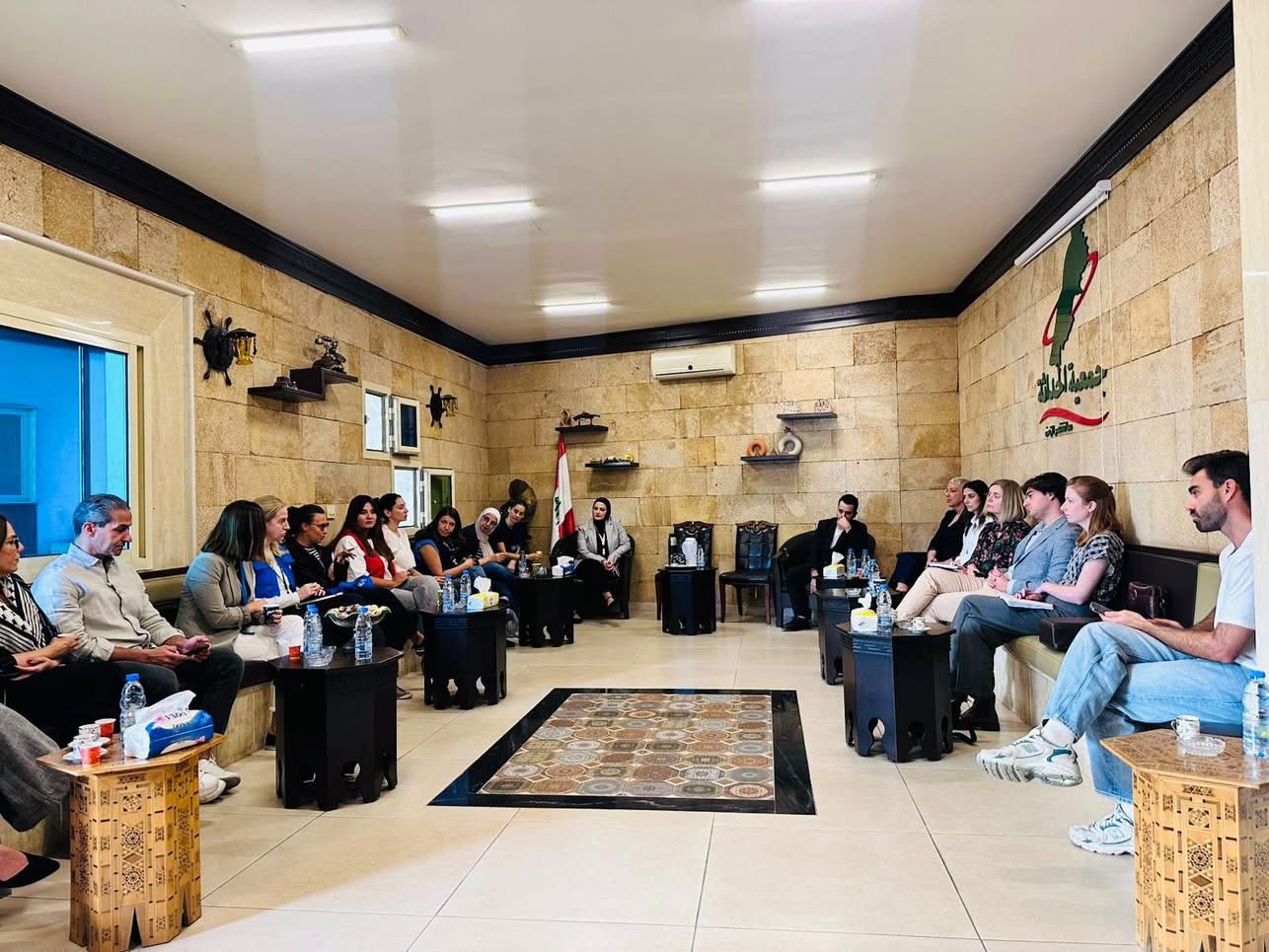
Elderly Individuals
Elderly individuals living in poverty and isolation face increased health risks, limited mobility, and reduced access to healthcare and social support networks. Many older persons are dependent on family members who themselves struggle with economic hardship.
Al Hadatha supports vulnerable elderly people through basic assistance, health referrals, psychosocial support, and community-based activities that reduce isolation and promote dignity and well-being.
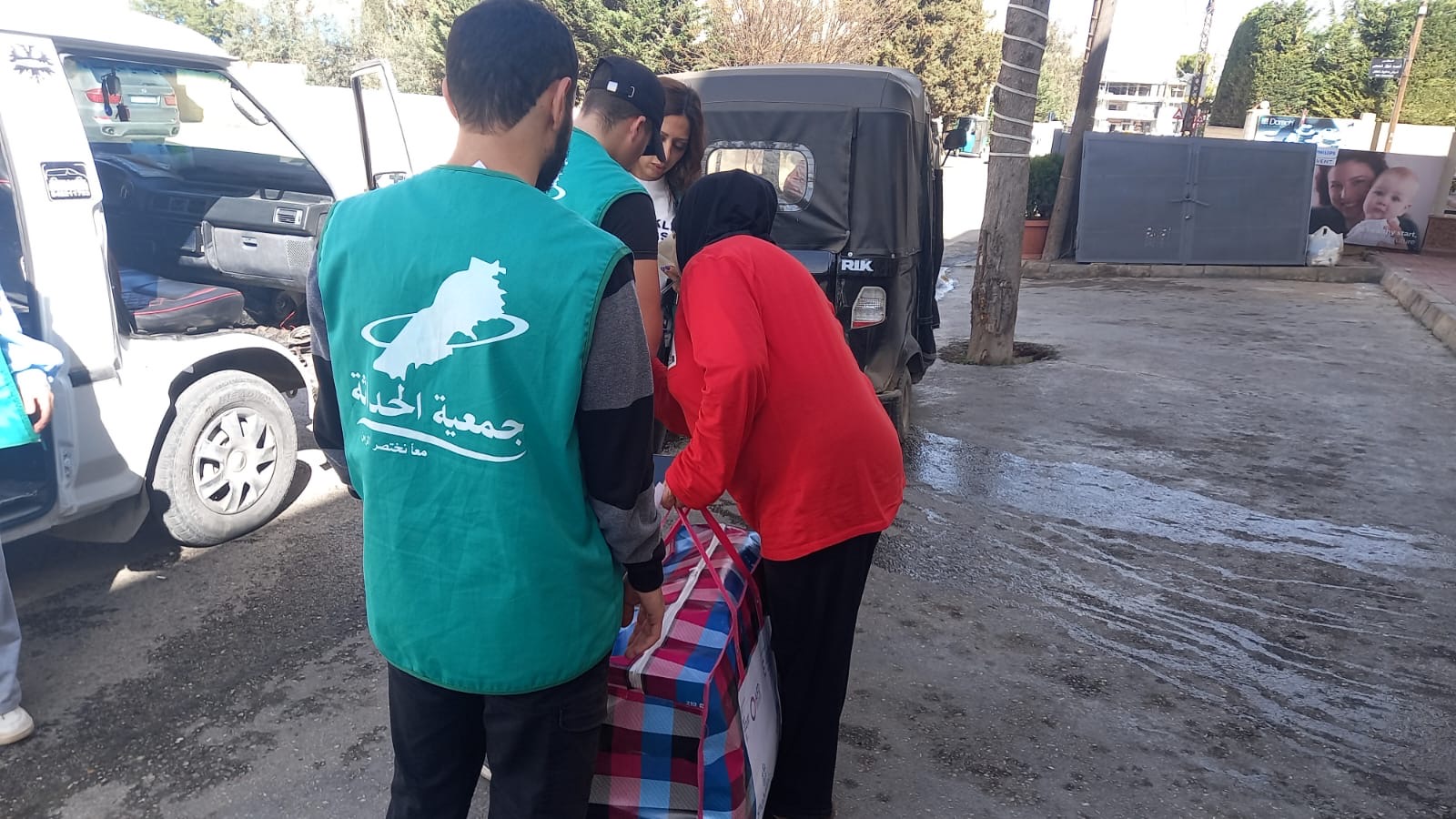
Internally Displaced Persons (IDPs) and Returnees
Internally displaced persons and returnees in crisis and post-crisis contexts often experience instability, loss of livelihoods, damaged housing, and limited access to basic services.
The challenges of reintegration and recovery can increase protection risks and social tensions. Al Hadatha supports IDPs and returnees through protection services, basic assistance, livelihoods support, and community-based recovery initiatives that aim to restore dignity, resilience, and social cohesion.