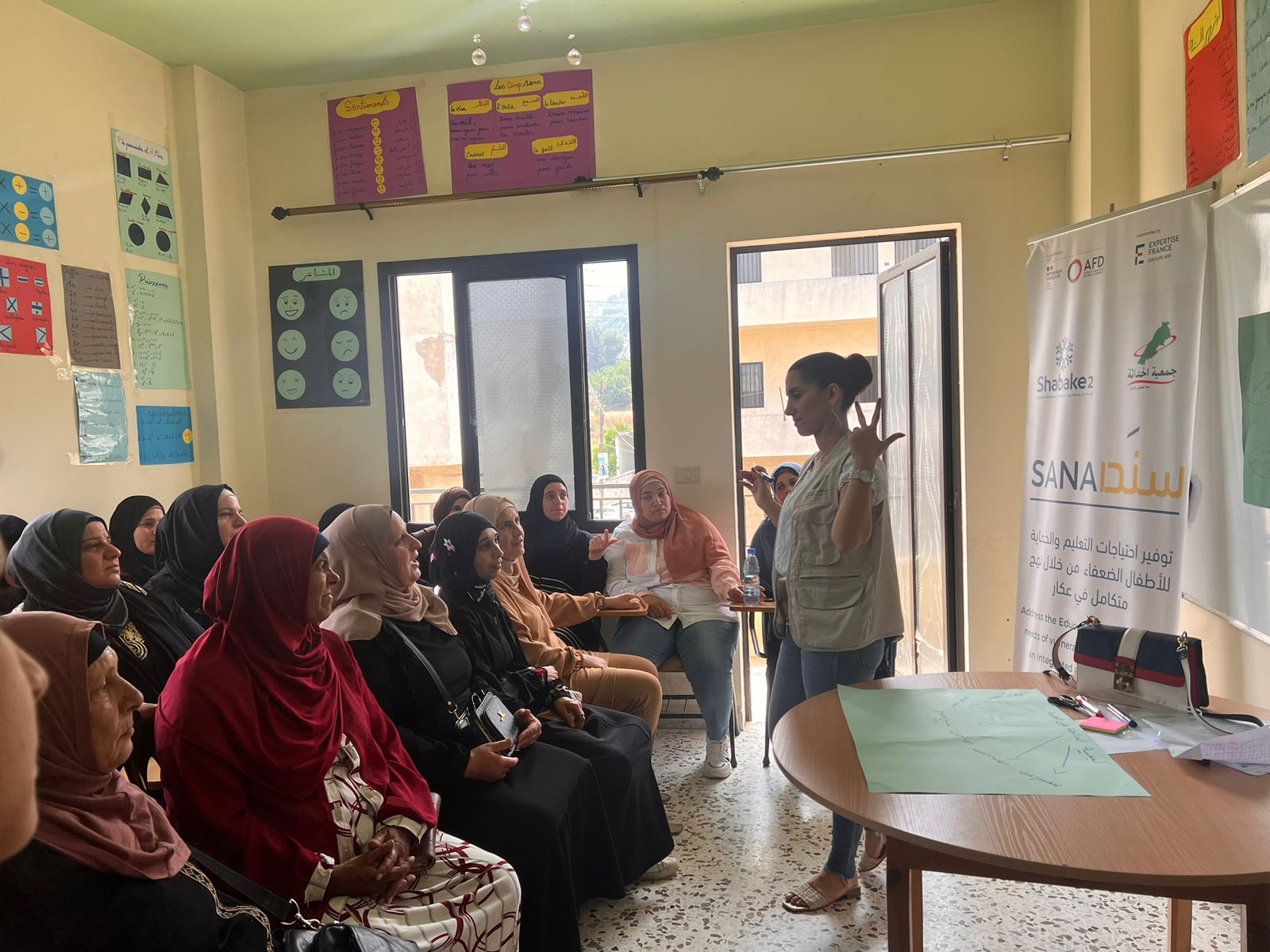
SANAD
Project Title: Address the educational and protective needs of vulnerable children through an integrated approach in Akkar.
Global objective:
Vulnerable girls and boys remain in a protective and inclusive quality education environment for them to fulfill their rights to education and protection
Project Rationale:
The identified needs (financial, academic) of vulnerable households, limit children’s access to rightful education, and increases protection risks, including child labor, child marriage and abuse.
Based on service mapping, a gap in protection support was observed in the selected areas in coordination with the different sectors, and on the interagency service mapping, Hadatha mapped out the different interventions in the prioritized areas to ensure efficiency and avoid duplication.
In addition, the Coordination on school selections with UNICEF, MEHE and the sector will ensure efficient school coverage in addition with local authorities.
Through this intervention Hadatha will be directly contributing to enhancing access and retention of the most vulnerable children from different populations, in most vulnerable areas of Akkar to quality and inclusive education opportunities and in enhancing the quality of the education services provided to the most vulnerable children and thus improving their learning outcomes.
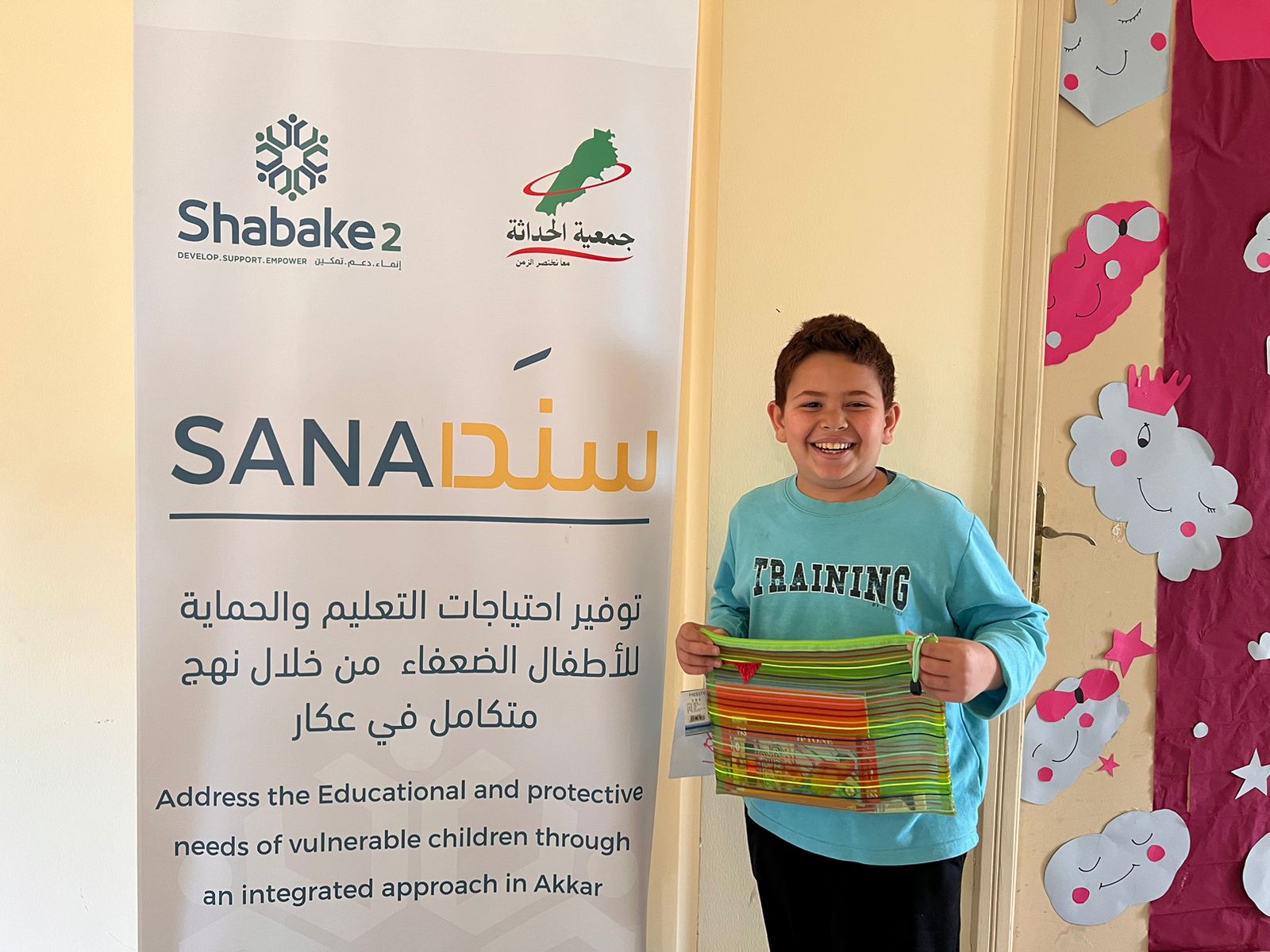
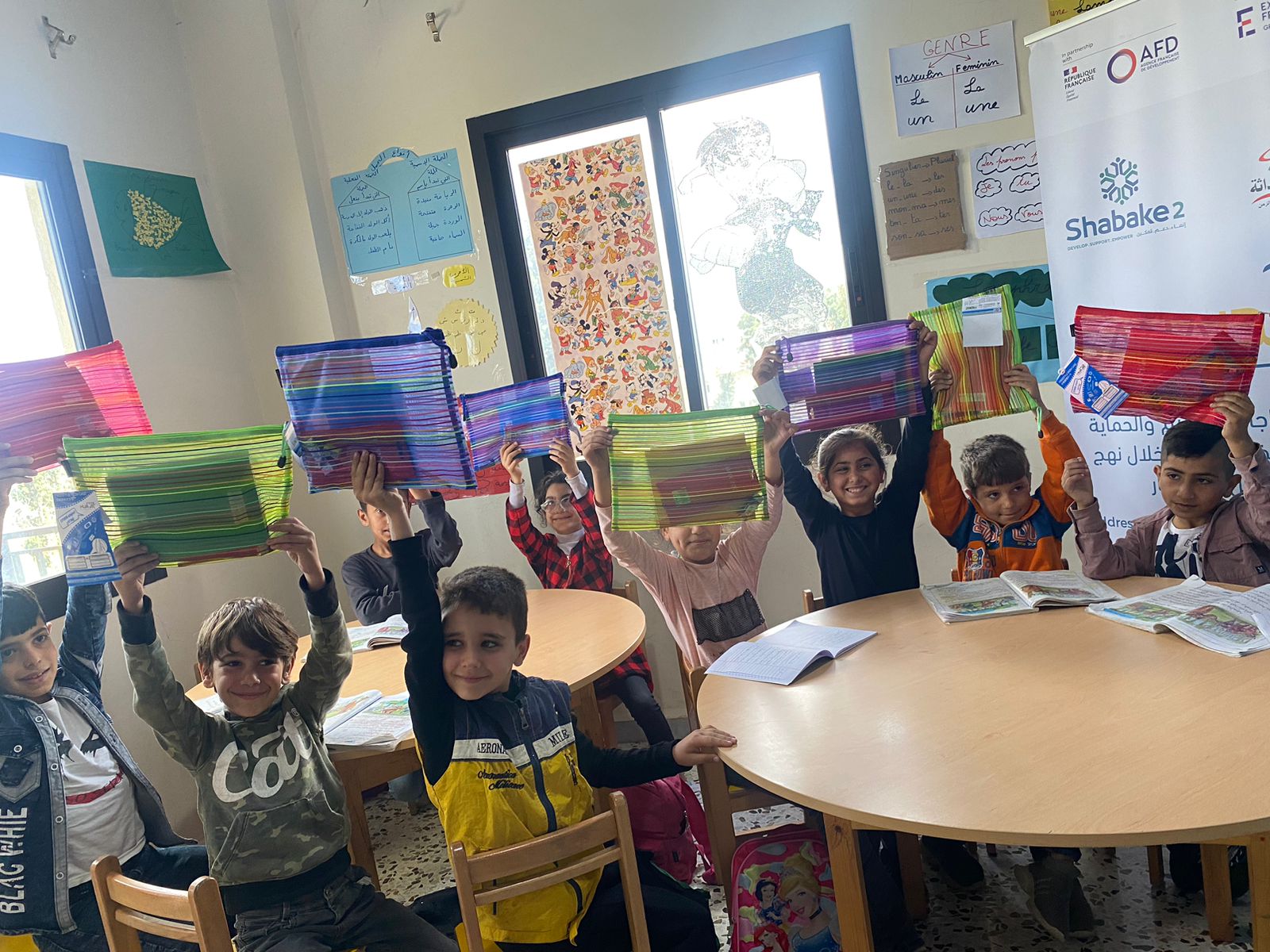
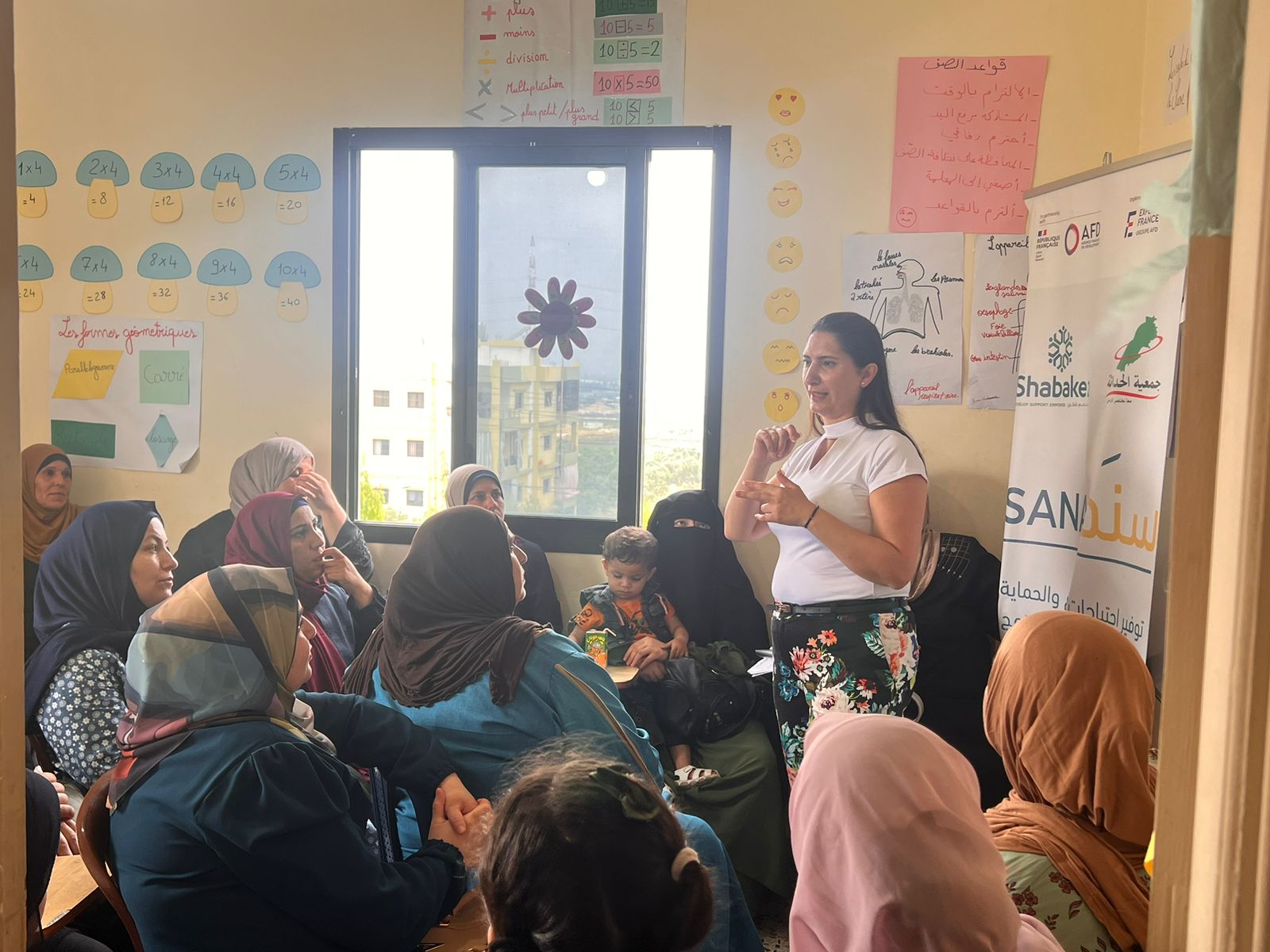
Addressing the economic vulnerability of the households that is pushing families to deprioritize education while not being able to afford educational cost, the intervention aims to raise awareness about the importance of education and engage caregivers in the learning of their children. Provision of hygiene kits for children registered in public schools and healthy snack for children registered in retention support will help in decreasing the financial burden on caregivers, avoid negative coping mechanisms such as child labor and child marriage, and thus reduce CP risks.
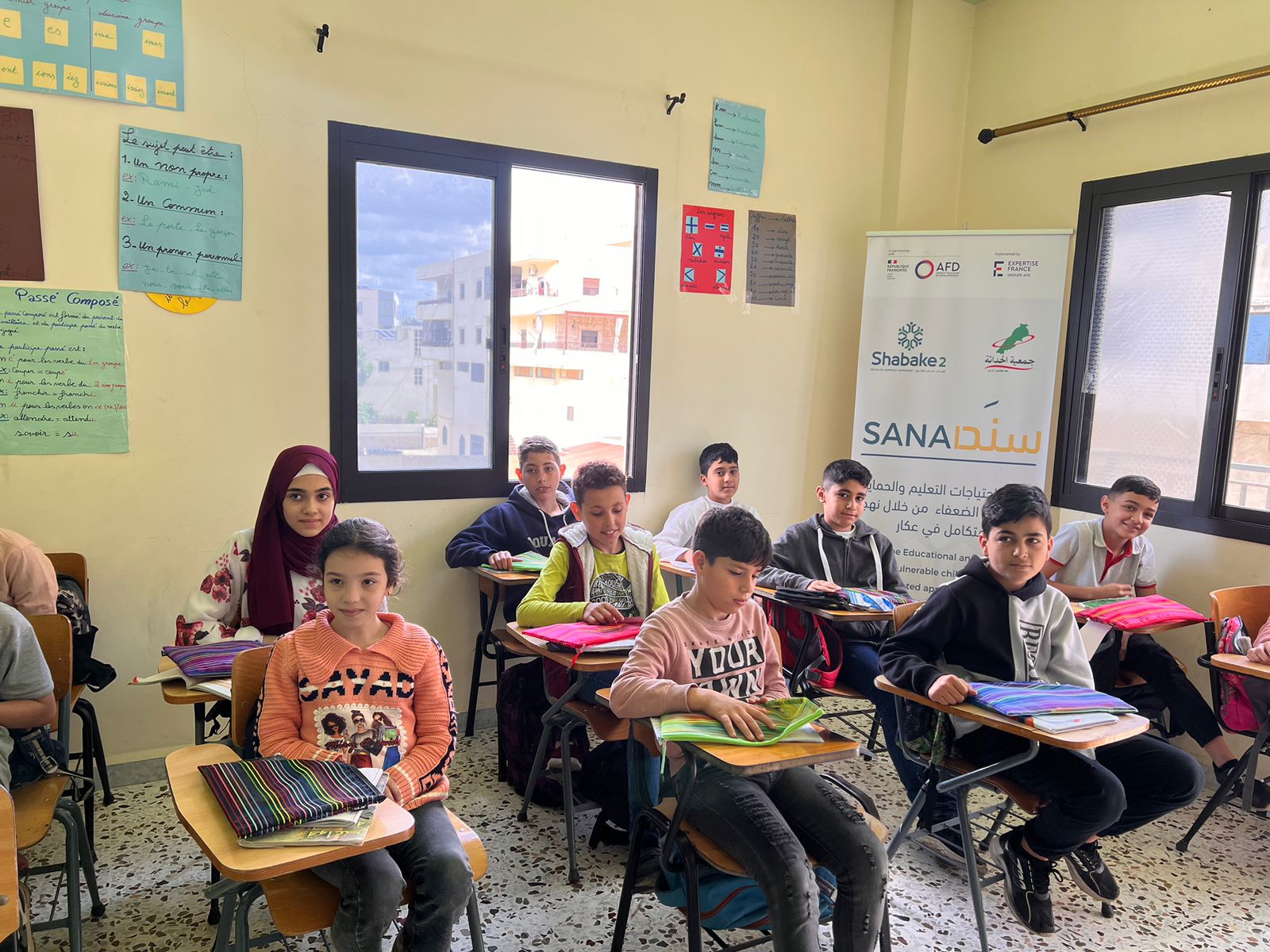
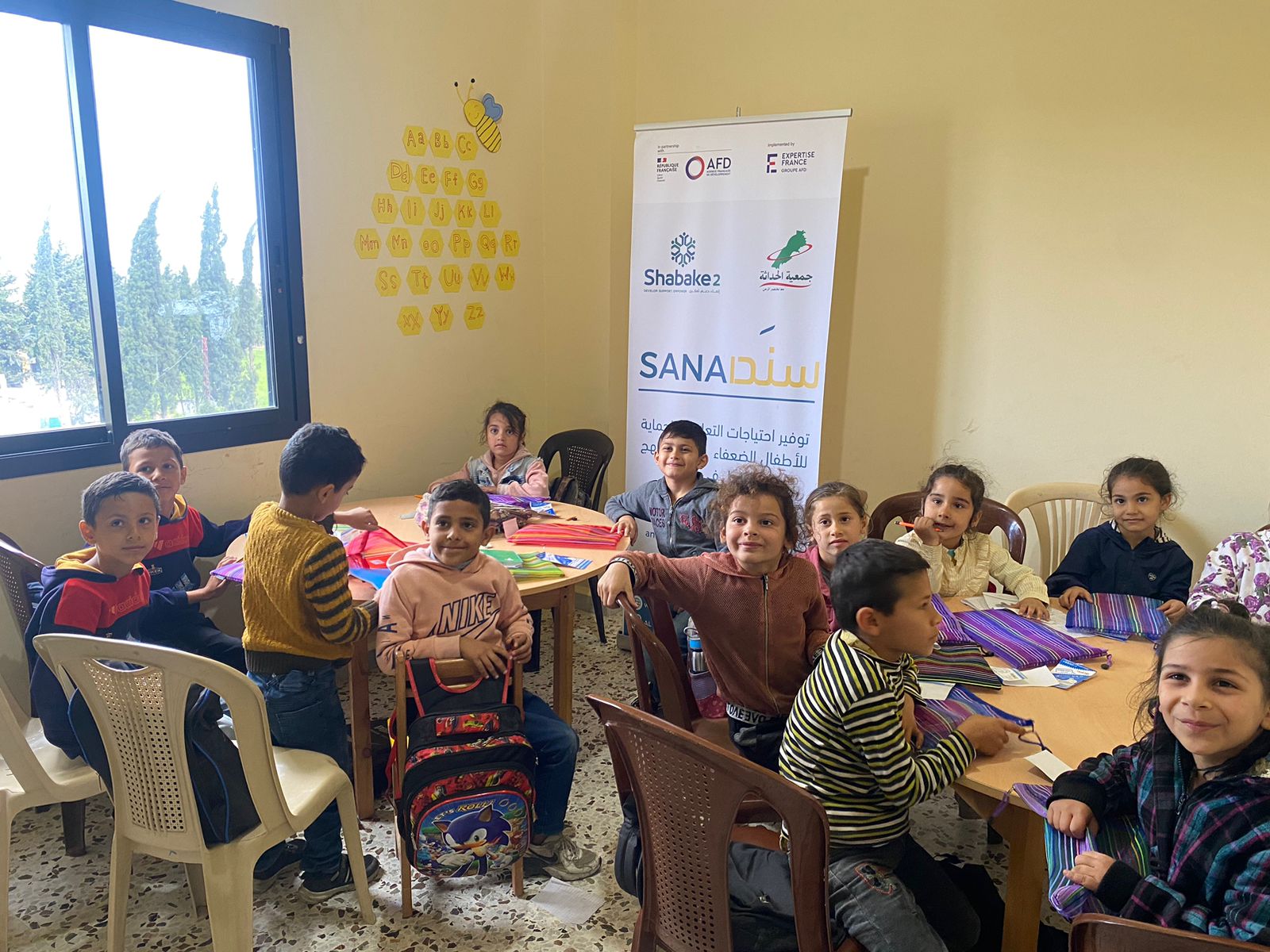
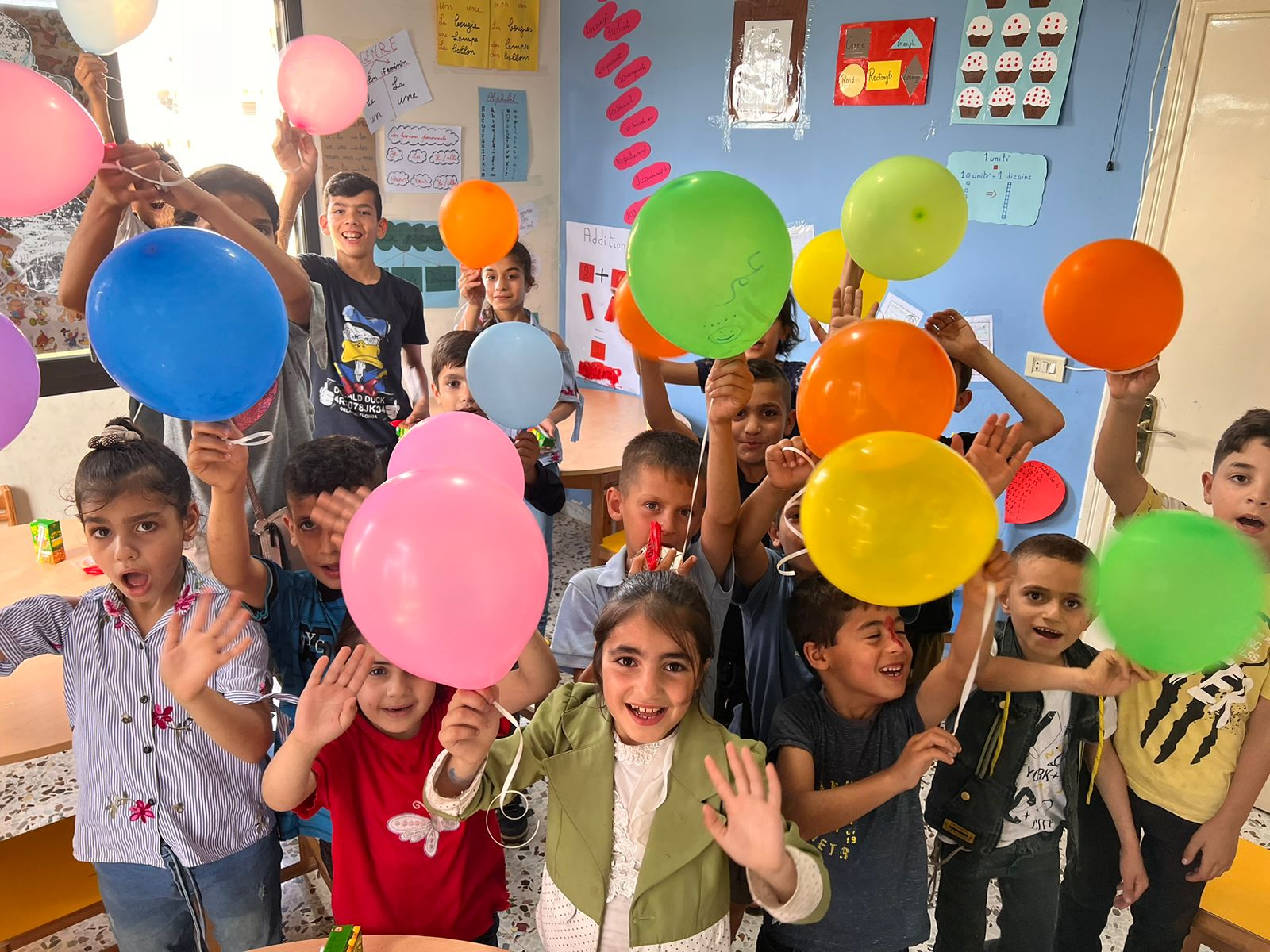
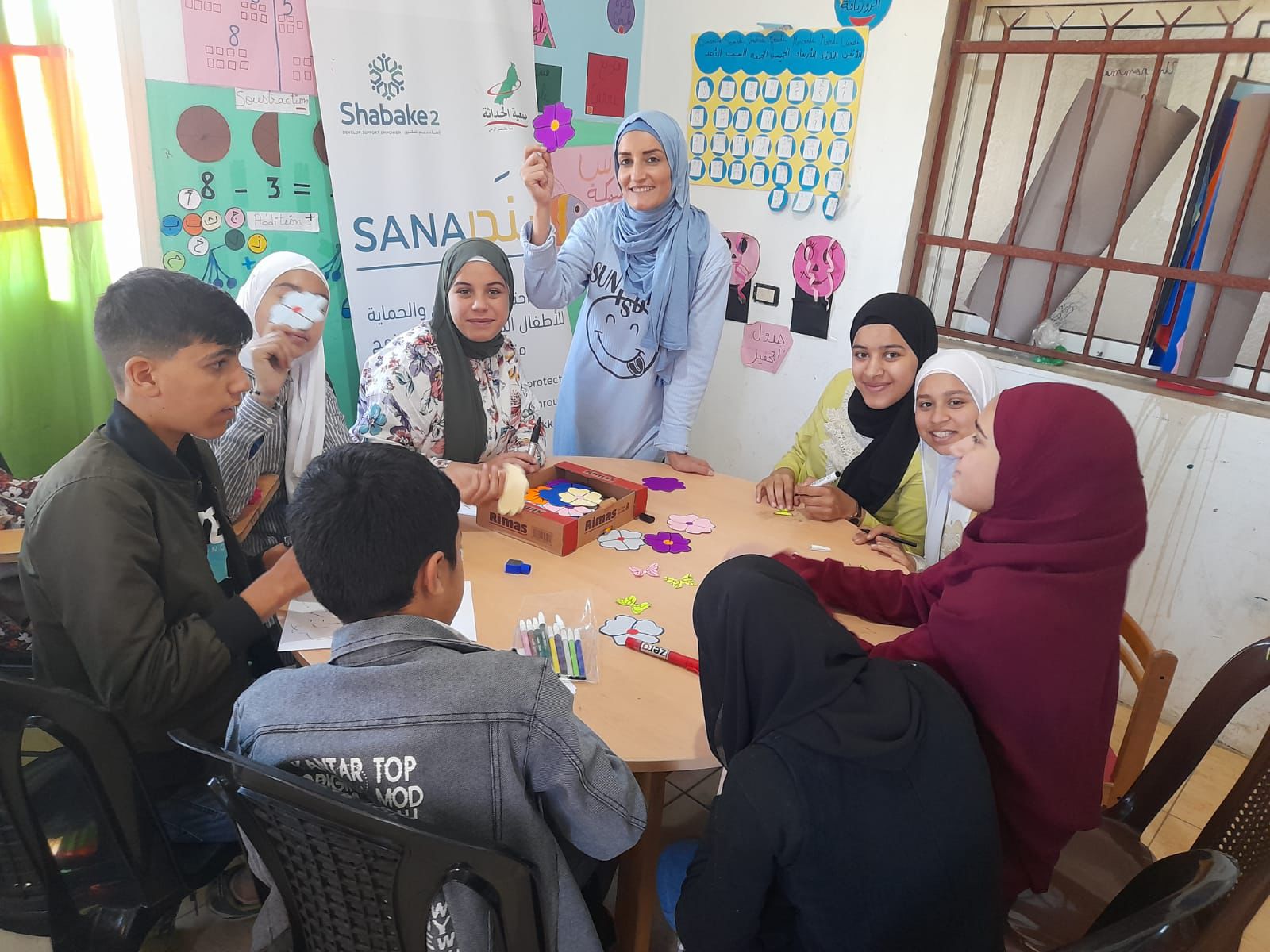
As supportive and complementary learning programs, retention classes will be established in the communities to enhance academic and non-academic competencies. The retention support classes will include homework support and subject specific support to enhance the academic performance in addition to extra-curricular activities.
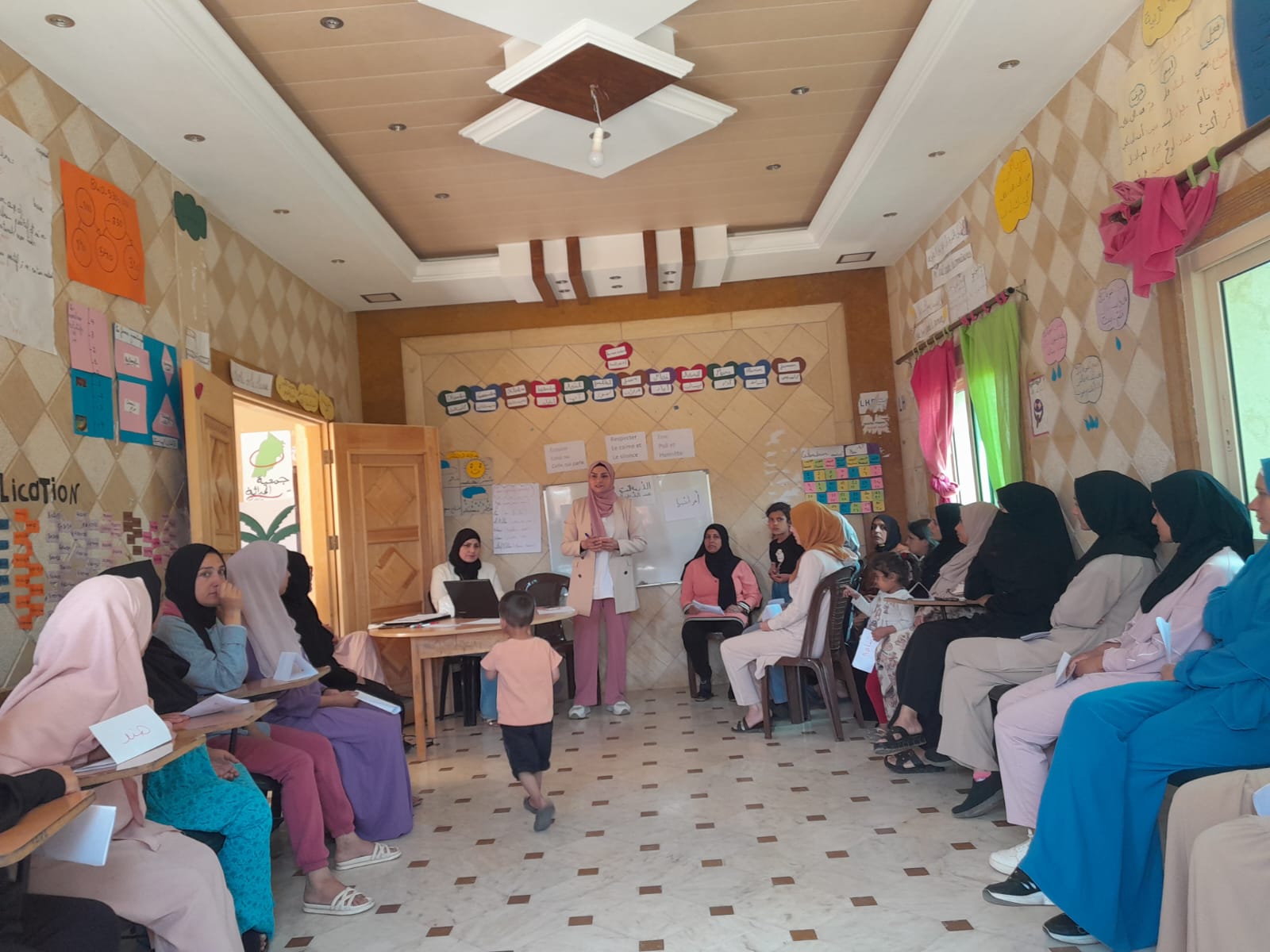
Hadatha will work with schools and centers, to strengthen local capacities and systems and ensure a longer-term impact within the community. Programs’ staff teachers and community facilitators will be capacitated to ensure quality implementation and delivery of services through a clearly developed capacity development plan established, implemented and supervised by Hadatha. This aims to create a pool of capacities to be invested in future initiatives, from and within the communities.
Outputs:
Output 1: 3500 Vulnerable girls and boys, with and without disability, from different populations, registered in public schools from grades 1 to 9 access inclusive and adaptive retention support program providing individualized learning support
Output 2: 3500 Vulnerable girls and boys with and without disability in grades 1-9, and their caregivers are benefited from Psycho-Social Support (PSS) and social services and have access to relevant resources, hygiene practice and have case management services and caregiver sessions, respectively.
.JPG)
.jpg)
.jpg)